The T+0 Microsecond: What Actually Happens When Modern Money Moves Across Borders
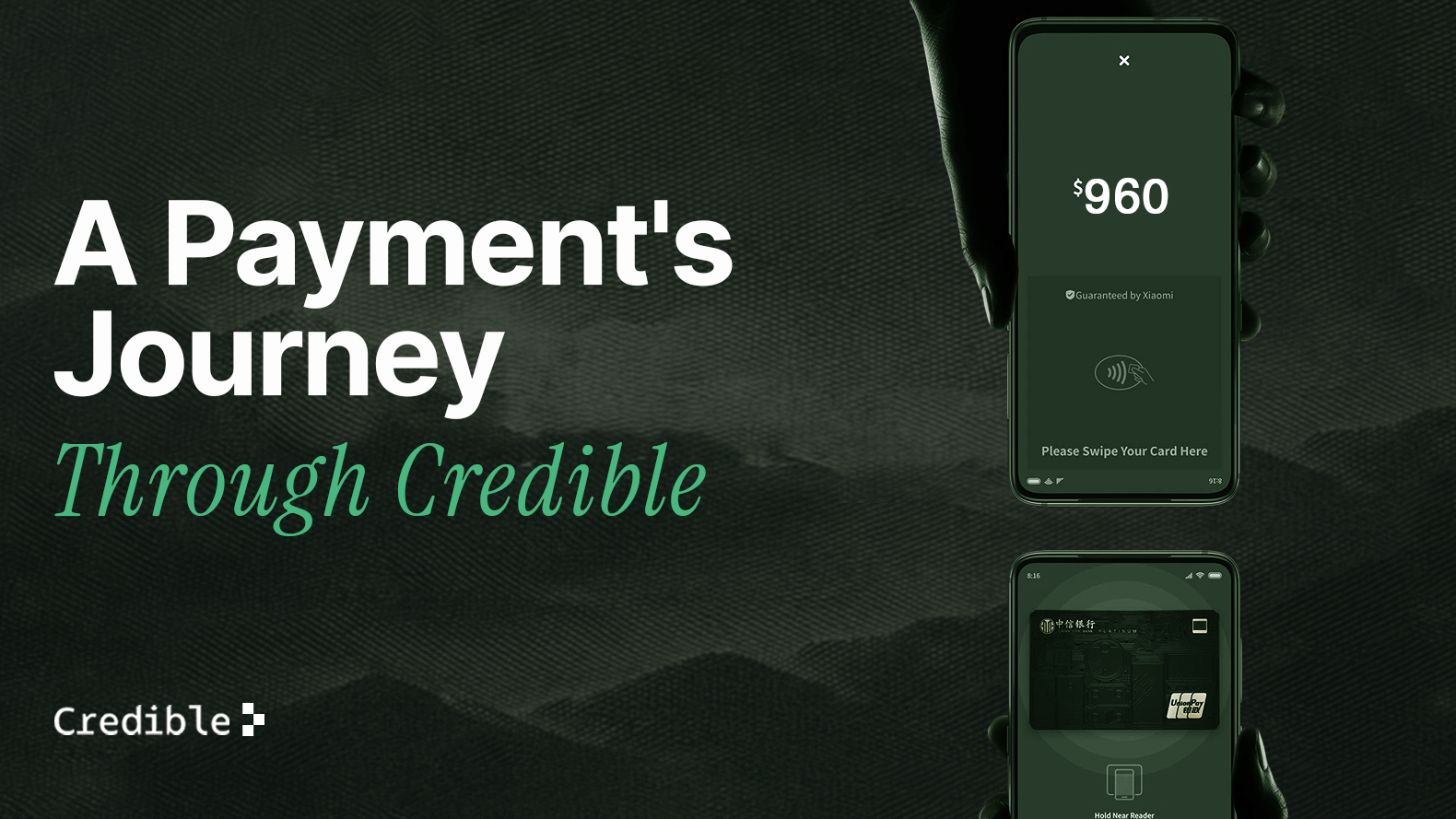
A customer somewhere in Asia hits "Pay."
A business in Europe receives the funds almost instantly.
To the user, it feels like magic. To the business, it feels like a competitive superpower. But between that click and the deposit, a complex sequence of infrastructure execution occurs.
Right now, global commerce is trapped in a paradox: businesses are global from day one, but the underlying financial plumbing is local, fragmented, and fundamentally slow. If you rely on traditional cross-border networks, moving value across oceans means passing through an endless relay race of correspondent banks, hidden fees, and multi-day clearing cycles.
Here is exactly how the Open Payment Stack bypasses the legacy bottleneck to deliver true T+0 real-time settlement on top of a world still crawling on T+3 infrastructure.
Step 1: Zero Friction at Checkout
The biggest mistake you can make when scaling globally is forcing users to change how they pay. If you make them jump through hoops or learn new systems, your checkout conversion drops to zero.
The journey begins with complete familiarity. The customer pays using the exact method they already know, love, and use daily in their home market. Whether that is UPI in India, Pix in Brazil, Prompt Pay in Thailand, traditional Credit Cards, ACH, SEPA, or native Stablecoins, the front-end experience remains completely seamless.
No new behavior is required.
Step 2: Intelligent, AI-Driven Orchestration
The microsecond the payment is submitted, Credible's orchestration layer takes over.
Instead of routing the payment blindly through a single gateway, our orchestration engine analyzes the transaction parameters in real time. The system evaluates the currency, geography, and network conditions to dynamically select the absolute best Payment Service Provider (PSP) or acquirer for that specific transaction.
This optimization happens instantly, ensuring the highest possible approval rate at the lowest possible operational cost.
[Customer Pays Local Rail] ──► [Credible AI Orchestration] ──► [Optimal PSP Selected]
Step 3: Asynchronous Risk Underwriting
Before a single dollar moves across borders, Credible's embedded AI goes to work on security.
Instant settlement is only viable if it is safe. Fronting capital to a business before the customer’s funds have officially cleared means managing risk transaction by transaction.
The AI scores the transaction risk and receivables asynchronously in the background. It delivers an instant decision without stalling the checkout momentum or introducing clunky authentication friction for the legitimate user.
Step 4: The Liquidity Shift (Bypassing T+3)
This is where the paradigm completely shifts. Once the transaction passes our real-time underwriting, Credible’s permissionless liquidity pool fronts the settlement.
Traditional card and bank networks will take the next 3 to 5 business days to clear the funds asynchronously in the background. But the merchant doesn't wait on them.
Because our pool fronts the float, the business receives their funds immediately in the asset of their choice: USDC, USDT, USD, EUR, or GBP.
The New Benchmark for Global Velocity
By separating the user's payment from the merchant's settlement, Credible eliminates the capital inefficiency that stifles high-growth startups, stablecoin fintechs, and creator platforms.
The customer gets a localized, friction-free checkout. The business gets immediate liquidity to reinvest into growth, marketing, or operations. The archaic banking cycles are completely abstracted away.
The modern internet operates in real time. It is time your payment stack did the same.
Join the Conversation
Stay updated with the latest in DeFi and crypto on our social channels.